Skip to content
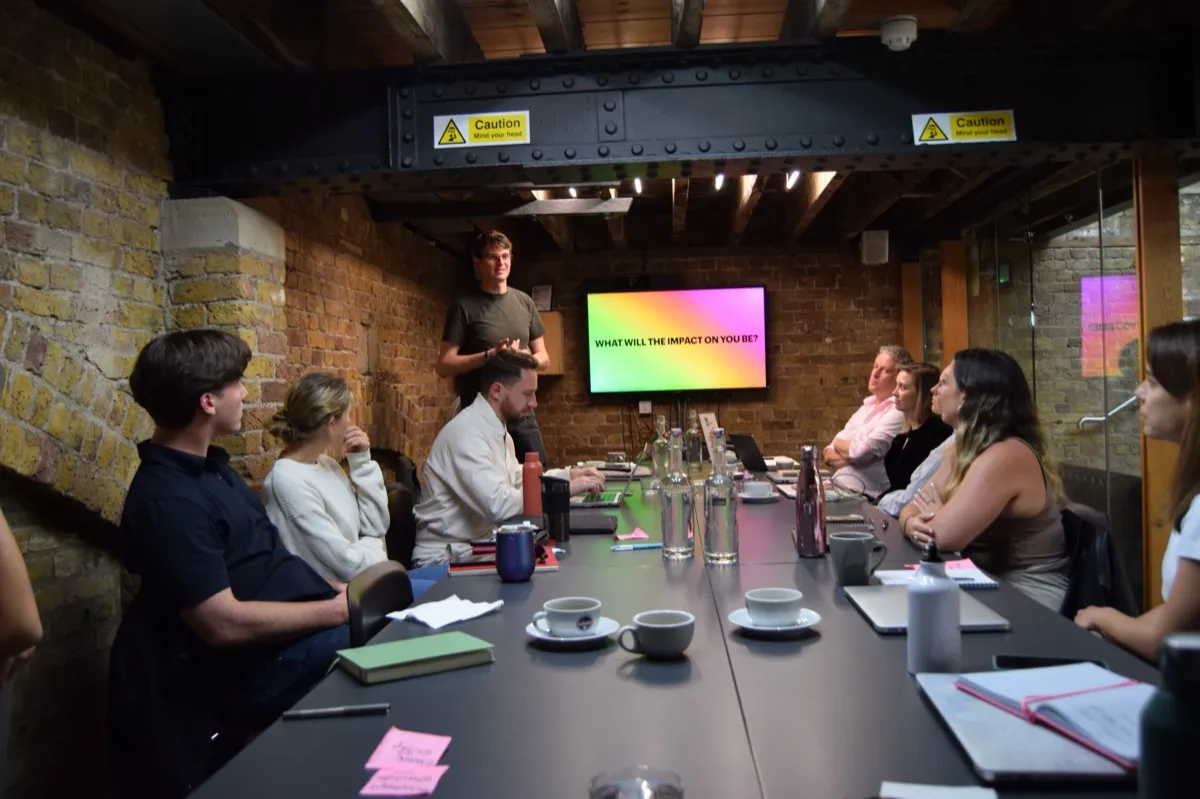
AI training workshop for engineering, construction & manufacturing teams
Back to Industries

Engineering, Construction & Manufacturing

AI training for project, engineering, procurement, bid, and operational teams where efficiency directly affects margin.

Teams we've trained include

  • A specialist bridge and infrastructure manufacturer providing engineering solutions across global markets
  • Teams working on the UK’s largest transport infrastructure project across engineering and delivery roles
  • Project-led organisations responsible for bids, reports, technical documentation, and process improvement
  • A UK manufacturer of high-security fencing and gate systems, with teams in the UK and US
  • A German manufacturer of storage and intralogistics systems, from its leadership team across the business

Why firms like yours hire us

  • Our AI training for engineering, construction and manufacturing companies starts with the bids, technical documents and reporting that take up most of the week.
  • We work with your customer specifications, product datasheets, tenders and bids, technical reports, CRM exports and project documentation.
  • We've trained bridge and infrastructure manufacturers and makers of security fencing and storage systems in the UK, Europe and the US.
  • Leadership, sales, engineering, operations and project teams are each trained separately on their own work, with one-to-one coaching available.

AI use cases from our engineering, construction and manufacturing clients

Each one was built in our sessions with clients like yours, and comes from our library of more than 1,000 AI use cases.

First-draft quotes

Quotes queue behind a few estimators. First drafts are built from enquiries, past quotes and datasheets, with missing prices flagged.
Specification compliance checks

Spec checks take hours per tender. Client specifications are checked line by line against your datasheets, with clarification questions drafted.

Engineering standards Q&A agent

Engineers lose time searching standards. An agent gives staff cited answers from engineering standards and specifications.

Tender and planning lead search

Pipeline depends on who spots the tender first. Grounded searches of tender portals and planning applications return linkable project leads.

Complaints root-cause dashboard

Quality issues repeat because patterns go unseen. Complaints exports become a root-cause dashboard filtered by job and week.

Procurement officer rehearsal

Bids fail on questions nobody anticipated. Teams rehearse against an AI procurement officer who challenges cost, programme and specification.

The numbers your competitors are watching

Where construction and manufacturing stand on AI, from official statistics and a survey by the manufacturers’ trade body.

13%

of UK construction firms use AI

ONS
89%

of AI-using construction firms say most staff don’t use it

DSIT
50%

of UK manufacturers say staff lack time to train

Make UK
48%

of US manufacturing workers use generative AI at work

St. Louis Fed

How your peers are moving

Contractors, consultancies and engineering firms are building their own AI policies, academies and tools for bid, project and support teams. Most mid-sized firms can’t staff an academy of their own, so we give your teams the same practical start in days, built around your own bids and technical documents.

Tilbury Douglas

The contractor built an in-house AI programme for its bid and pre-construction teams, used to prepare bids, summarise project documents and pick out client requirements. It wrote its own AI policies and training, and every AI output is checked by an accountable member of staff before it is used.

Rider Levett Bucknall (UK)

Set up a Data and AI Transformation Academy for its UK staff, with 12-month programmes including an AI for business value course taken by cost managers, project managers and building surveyors. A new cohort starts every six months.

Sitowise

The Finnish engineering consultancy set up an AI Center of Excellence in 2024 and built its own secure assistant, Saga AI, first for its digital teams and then across the business. By 2025 it reported that a significant portion of its people actively use its internal AI tools.

We can usually identify your highest-impact use cases in a single conversation.

What we train on

  • Bid and tender writing and review
  • Project documentation and report drafting
  • Historical win-loss analysis to identify commercial patterns
  • Custom agents trained on technical company data
  • Streamlining reporting processes and presentation creation
  • Market data, lead research, and technical document summarisation

Courses for engineering, construction & manufacturing teams
What makes us different

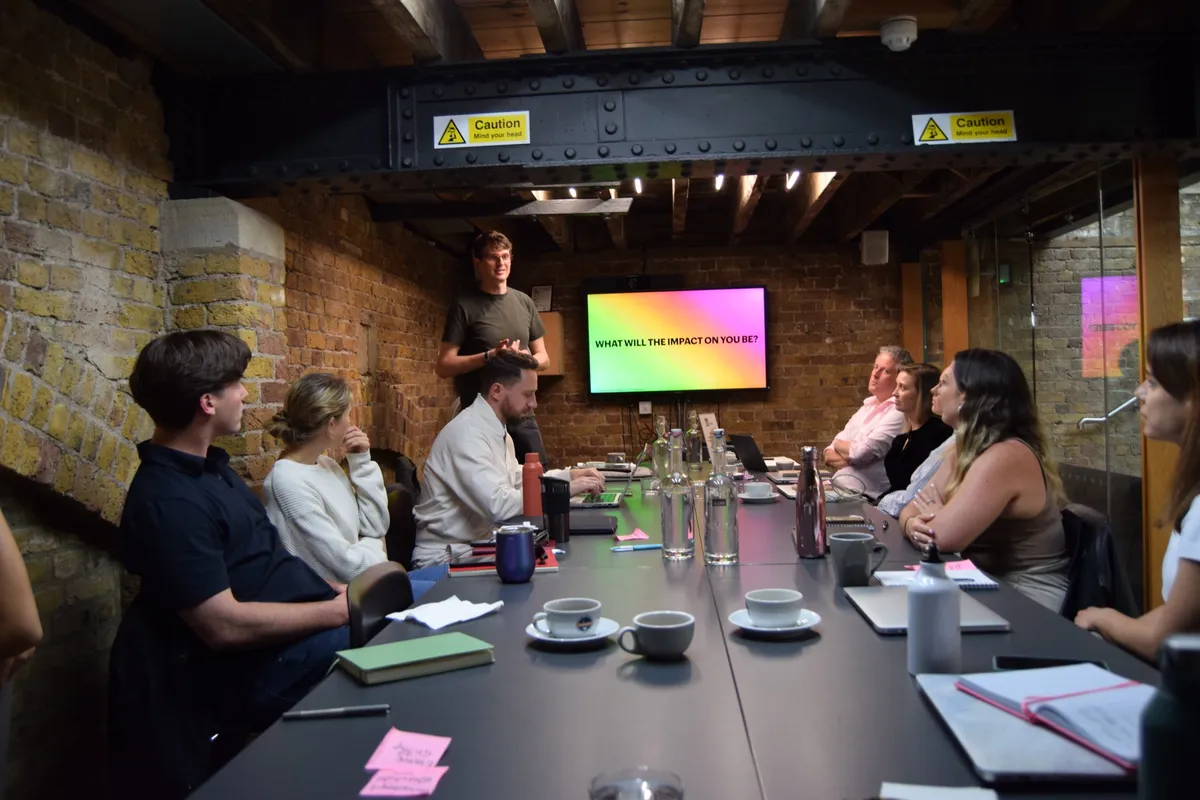
  • Everything is bespoke. Each session is built around your own data, workflows and use cases, such as your specifications, datasheets, tenders and technical reports, so people practise on real work.
  • Our instructors are AI practitioners, not career trainers. They are founders, operators and advisers who use AI in their own work every day, so they answer the hard questions from direct experience.
  • We take a data-driven approach. We survey your teams before and after the programme and measure time saved, AI adoption and return on investment, so you can see exactly what changed.
  • We are a full-service AI enablement partner. Beyond the training, we offer AI strategy for leadership, one-to-one coaching for key people, and rollouts across multiple teams.

How we get your team there

A practical playbook

  1. 1

    Anchor it in bids, quotes and tenders

    Start where faster drafting and checking feed straight into margin: quotations, tenders, technical reports, and project documentation. Firms that tie AI to that work, rather than a general push to use it more, see results on live projects.

  2. 2

    Build on real documents and workflows

    Teams adopt faster when training uses their actual specifications, datasheets, tenders, and reports, with every build grounded in the firm's own documents and told never to invent figures. Abstract demos generate interest. Working with live material changes behaviour.

  3. 3

    Fix the data foundation early

    Agree with IT which licences, connectors, and folders are in scope before anyone types a prompt. Where a system such as the CRM isn't connected, an export into the approved tool keeps work moving. Most firms find that data access, not model capability, is the real constraint.

  4. 4

    Measure adoption, not enthusiasm

    Track time saved and which workflows are in use, and name a champion in each department with regular check-ins. The goal is a smaller set of workflows that are measurably better and that the team trusts enough to rely on.

“The instructors were excellent -- knowledgeable, patient, not too "techy".”

Workshop attendee, Acrow Bridge

“For somebody that had not used any AI tools previously, the training was a massive eye opener for me.”

Participant at a specialist bridge and infrastructure manufacturer

“Was a brilliant course. Very informative presenters were excellent.”

Participant at a UK security fencing manufacturer