Regulatory horizon scanning
Tracking regulatory change is slow and manual. Weekly agents search only primary regulator sources and return a cited table of changes.
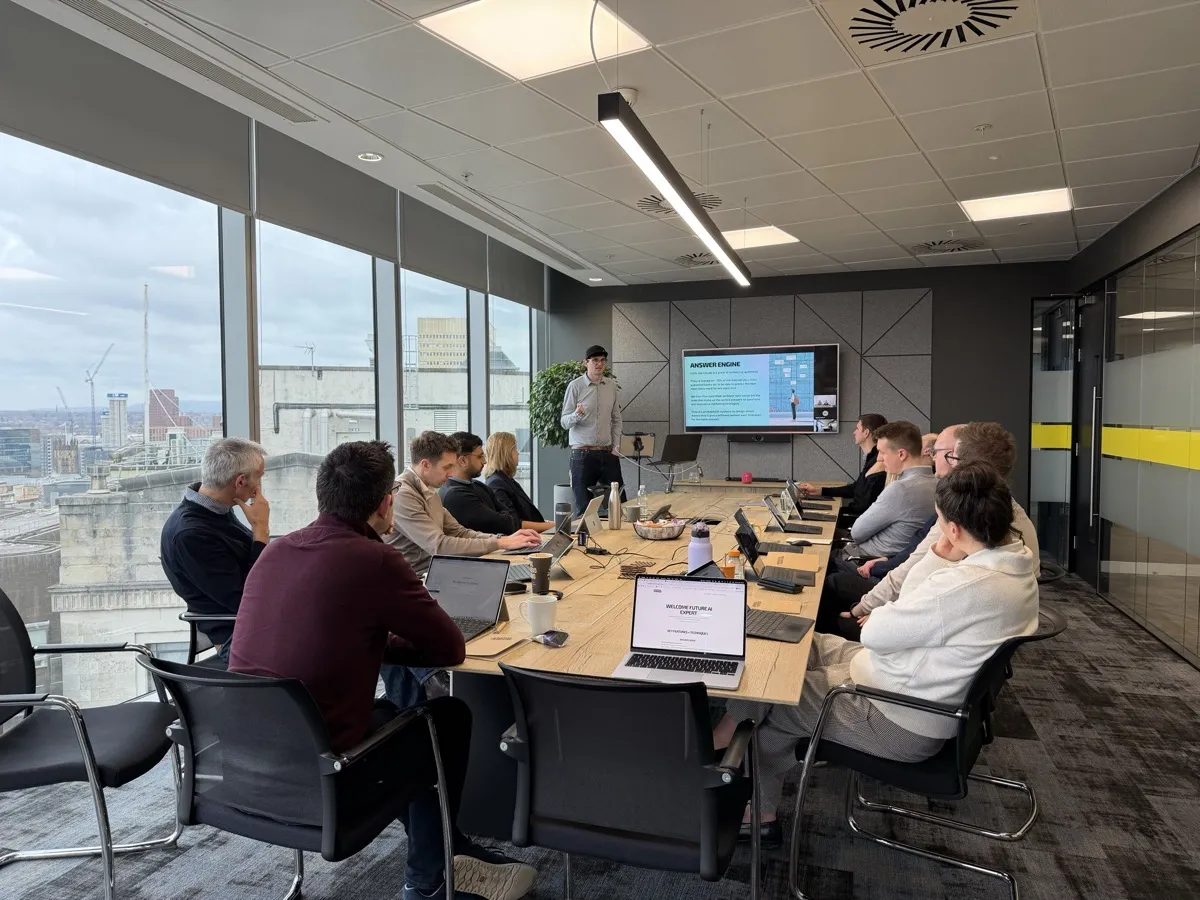
AI training for regulated teams handling sensitive data, dense documents, and client communication under scrutiny.
Teams we've trained include

Each one was built in our sessions with clients like yours, and comes from our library of more than 1,000 AI use cases.
Tracking regulatory change is slow and manual. Weekly agents search only primary regulator sources and return a cited table of changes.
Every published figure needs checking. Three sub-agents check each claim in a draft against its source report before it goes out.
Reports from different regions rarely line up. An agent compares them to show where they disagree and what is missing.
Analysts cannot read every note. Broker forecasts are checked against management's own words on the call, with every claim cited.
Research teams miss angles they have not covered. Mapping a company's supply chain and competitors shows where expert calls are still needed.
Meeting prep means pulling from five systems. One-page briefings combine holdings reports, CRM history and public context, with sources cited.
The numbers your competitors are watching
Where financial services stands on AI, from the latest regulator and official data.
Asset managers, lenders and fintechs are putting AI in front of their whole workforce. Few have the budget or time to build their own training academy. We give your team that capability in days, not years.
We can usually identify your highest-impact use cases in a single conversation.
Courses for financial services and insurance teams


How we get your team there
Start where faster review, clearer reporting or tighter controls create the most value: regulatory change, contract and renewal review, month-end reporting and investor communications. Firms that tie AI to those priorities, rather than treating it as a general productivity tool, build capability that compounds across teams.
Teams adopt faster when training uses their actual policies, compliance checklists, DDQs, quarter-end packs and investment committee papers. Where real documents can't be shared, clearly labelled synthetic versions keep the exercise close to the job. Abstract demos generate interest. Working with live material changes behaviour.
Agreeing which tools are approved, which connectors are switched on and which files stay in the firm's own systems is what turns AI into something compliance will sign off. Most firms find that access and governance, not model capability, are the real constraints.
Survey teams before and after training, then track time saved and which workflows are actually in use, so AI is judged by operating impact, not licence count. The goal is a smaller set of workflows that are measurably better and that the team trusts enough to rely on.
“As an insurance executive in an industry where AI is expected to be a massive disruptor… the course was right on point.”
Active underwriter, Lloyd’s market participant
“General Purpose’s session was engaging, practical and really helpful.”
Participant at a global sustainable investment manager
“This should be a massive timesaver and may well raise questions and concerns that the committee has previously overlooked.”
Finance team member at an investment manager
We can map the highest-value use cases for your team and design bespoke sessions around your actual documents and workflows.
Sources and further reading